Ingrown Toenail Care from a Podiatrist Near You in Council Bluffs
Take the Next Step with Ingrown Toenail Treatment
An ingrown toenail might seem like a minor problem, but anyone who has had one knows how quickly it can become genuinely painful. When a nail edge digs into the surrounding skin, it creates a cycle of pressure, irritation, and inflammation that doesn't resolve on its own. Left untreated, an ingrown toenail can develop into a serious infection, especially for patients with diabetes or poor circulation.
At Council Bluffs Foot & Ankle Care, Dr. Patrick Barnes treats ingrown toenails quickly and effectively, with a straightforward in-office procedure that provides lasting relief. Whether you're dealing with your first ingrown nail or a recurring problem, Dr. Barnes can help resolve it and reduce the likelihood of it coming back.
Don't tough it out any longer. Request an appointment with Dr. Barnes today.
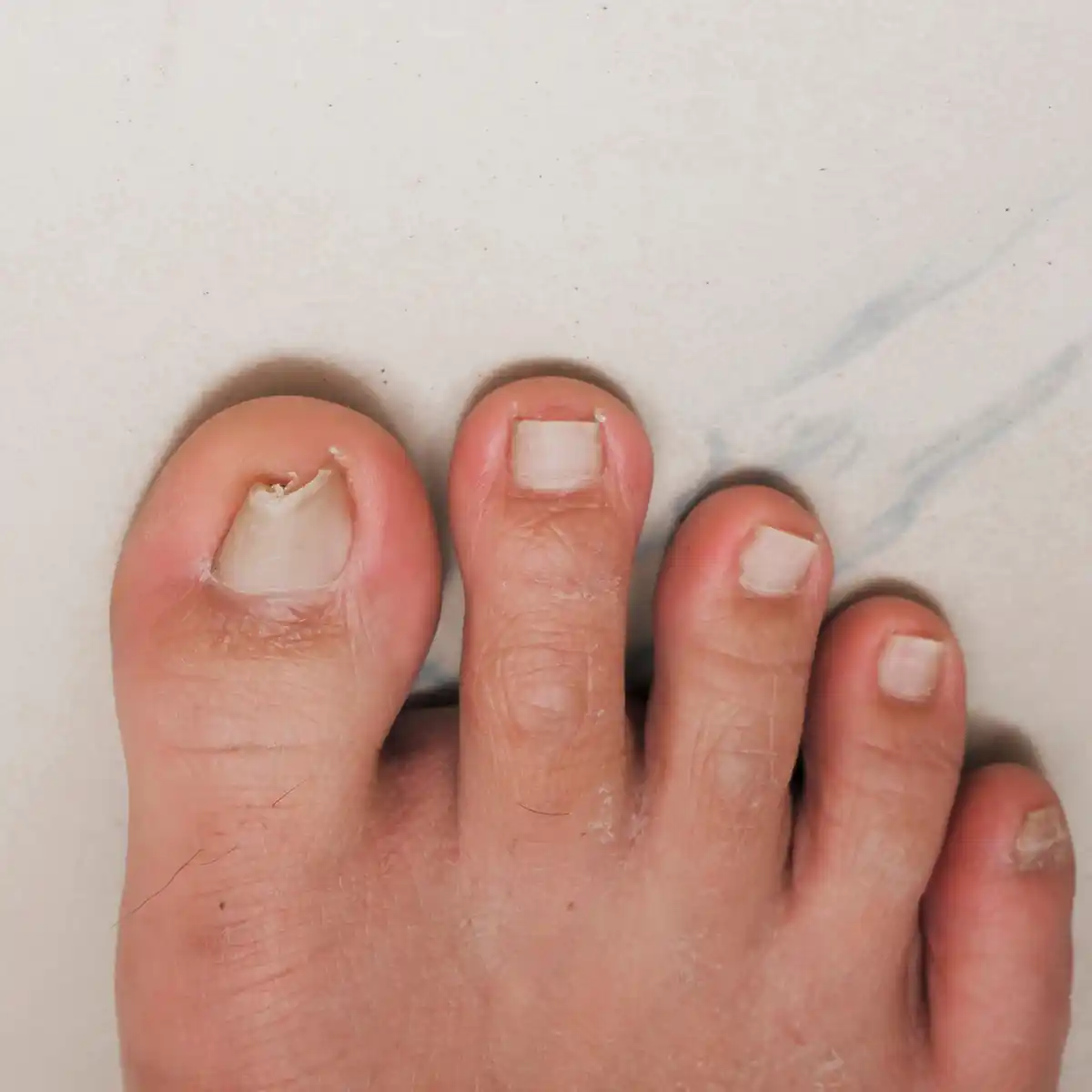
What Causes Ingrown Toenails & How to Recognize Them
Understanding Ingrown Toenails
An ingrown toenail occurs when the edge or corner of a toenail grows into the surrounding skin rather than over it. The big toe is most commonly affected, though any toenail can become ingrown. As the nail presses into the skin, the body responds with pain, redness, swelling, and sometimes infection.
Causes & Risk Factors
Ingrown toenails can develop for a number of reasons, including:
- Trimming nails too short or rounding the corners rather than cutting straight across
- Wearing shoes or socks that are too tight, compressing the toes, and pushing the nail into the skin
- An inherited tendency toward curved or wide nails
- Injury to the toe, such as stubbing it or having something dropped on it
- Repeated pressure from physical activity, like running or dancing
- Toenail fungus, which can cause the nail to thicken and grow irregularly
Symptoms
The most common signs of an ingrown toenail are pain and tenderness along one or both sides of the nail, particularly when pressure is applied. Other symptoms include:
- Redness and swelling around the nail border
- Skin that appears to be growing over the edge of the nail
- Drainage or a foul odor, which may indicate infection
- Warmth around the affected toe
- A visible area where the nail is digging into the skin
It's important to see a podiatrist promptly if you notice signs of infection, or if you have diabetes, neuropathy, or poor circulation, as these conditions significantly raise the risk of complications from an untreated ingrown toenail.
Ingrown Toenail Causes in Children & Adults
Ingrown toenails are common across all age groups. In children, rapid nail growth and improper trimming are frequent contributing factors. In adults, footwear choices and nail shape tend to play a larger role. Recurring ingrown toenails often indicate an underlying structural issue with the nail itself, which can be permanently addressed with an in-office procedure.
Ingrown Toenail Removal Options at Our Council Bluffs Office
How Dr. Barnes Treats Ingrown Toenails
Treatment depends on the severity of the ingrown nail and whether infection is present. Dr. Barnes will evaluate your toe and recommend the most appropriate approach.
Conservative Care
For mild cases caught early, conservative management may be sufficient. This can include gently lifting the nail edge, placing a small piece of cotton or a splint beneath the nail to redirect its growth, and soaking the foot in warm water to reduce inflammation. Proper nail trimming guidance is also provided to help prevent recurrence. However, once an ingrown toenail has become painful, infected, or recurrent, in-office treatment is typically the most reliable path to resolution.
In-Office Nail Procedure (Chemical Matrixectomy)
The most effective and lasting treatment for an ingrown toenail is a chemical matrixectomy, a simple in-office procedure that Dr. Barnes performs under local anesthesia. The toe is numbed first, so patients experience very little discomfort during the procedure itself.
Depending on the extent of the problem, Dr. Barnes will perform either a partial or total nail removal:
- Partial nail removal: The ingrown portion of the nail border is carefully removed, leaving the rest of the nail intact. This is the most common approach for a single ingrown edge.
- Total nail removal: In cases where the entire nail is severely affected or deformed, the full nail may be removed.
After the nail edge or nail is removed, a chemical called phenol is applied to the nail root to prevent that portion of the nail from regrowing. This is what makes the procedure a lasting solution rather than a temporary fix. Most patients can resume normal activities the following day, and the healing period involves simple daily dressing changes at home using over-the-counter antibiotic ointment and gauze.
Frequently Asked Questions
How do I know if my ingrown toenail is infected?
Signs of infection include increasing redness, warmth, and swelling around the nail, drainage of pus or fluid, and sometimes a foul odor from the affected toe. The pain may also intensify or spread beyond the immediate nail border. If you notice any of these signs, it's important to contact our office promptly rather than waiting. An infected ingrown toenail requires professional treatment and, in some cases, a course of antibiotics in addition to nail care. Patients with diabetes or circulation issues should seek care at the first sign of any nail problem, even without visible infection.
Will the nail grow back after the procedure?
After a partial nail removal with chemical matrixectomy, the treated portion of the nail root is permanently destroyed, so that specific border of the nail will not regrow. The rest of the nail continues to grow normally. After a total nail removal, the entire nail root is treated, and the nail will not return. Most patients are very satisfied with the cosmetic result and find the relief from chronic pain well worth it. Dr. Barnes will explain exactly what to expect based on which procedure is most appropriate for your situation.
Can ingrown toenails be prevented?
In many cases, yes. The most important preventive measure is trimming your toenails straight across rather than rounding the corners, and avoiding cutting them too short. Wearing shoes with adequate toe room and keeping your feet clean and dry also helps. For patients with a naturally curved or wide nail shape, recurrence can be more difficult to prevent through trimming habits alone, and the in-office procedure may be the most practical long-term solution. Dr. Barnes can offer personalized guidance on nail care during your visit.
How do I schedule with an ingrown toenail doctor near me?
Scheduling at Council Bluffs Foot & Ankle Care is simple and convenient. You can request an appointment online or call our office directly at (712) 328-0297. Our friendly team will help you find a time that works with your schedule.